Thứ Tư, 26 tháng 11, 2014

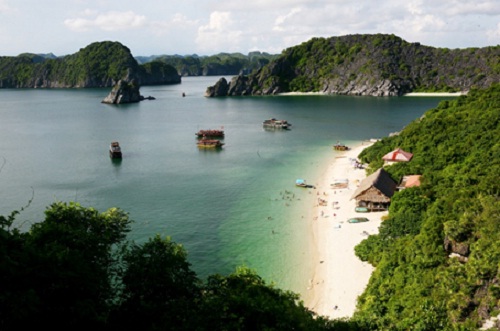
Soi Sim Island and beach

Soi Sim is a small island located 12km west of Halong City. With the area of 8.7 hectare, the island with two mountain top of about 100m high above the sea level. Soi Sim Island has very special geological formation 2/3 of which covered by Feralit and soil weathered by wind, which is favourite condition for the growth of a plant species named Sim (scientific name: Rhodomyrtus tomentosa). That is the reason why the local people named this island Soi Sim. It’s noticeable that Sim trees often bloom and bear fruit annual between March and August.  Sim fruits is quite good for our health according to traditional medicine so you can taste its fruit if coming here in July or August. Halong bay cruise

The island has been existed about hundred of million years ago and surrounded by the sea then there are endemic plants, according to researchers. It’s beautiful island with a primitive forest of varieties of flora and fauna, and endemic plants of Halong Bay Ecology.

Soi Sim Island and beach

 Soi Sim is quite new with travelers and still being clean and beautiful attraction compared with other ones in Halong Bay because it has just been opened for about 10 years.

What you can do on a Halong Bay day trip?

The white sandy hugging the outline of the petite Soi Sim island and the shallow clean emerald water provide you a good opportunity to swim, relax, kick back on the beat, lie on huge beach towels while watching the sunset. Besides, you can also climb up to the top of the island through a small natural trail then savoring a panoramic view of the world’s heritage and taking some pictures. 5 best cruises in Halong Bay

How to get there? You can easily reach the Soi Sim Island either by getting SIC tickets at the Ha Long wharf or book a cruise trip including this Soi Sim Island in cruise itineraries. With those extreme values, Soi Sim Island is an important part of Halong Bay and now becoming a must-see for tourists who visits the Bay.

Thứ Ba, 18 tháng 11, 2014

Scuba-Diving in Halong Bay

Halong Bay is a spectacular location for sightseeing in Vietnam. Located in the Gulf of Tonkin, it forms an amazing seascape of limestone pillars along with more than 1,600 islands and islets. Travelers coming to Halong Bay will enjoy not only the boat trip, sea kayaking but also the very scuba diving experience. Scuba diving has been recently opened in Halong Bay making this place a must-sea for underwater lovers. The time from April to December is the most wonderful period for Travellers to join “Halong Bay Scuba Diving”. The temperature of water at this time is from 26-29 celsius degrees. Travel Halong bay

Scuba diving with Halong Voyage – a the special product which no one has done before in Halong bay. Travelers can explore hidden beauty underwater with thousands of splendid coral and fish like sergeant major fish, Clark’s anemone fish. Tourists will see colorful their method survive. Underwater world will make you to feel novel, small and peaceful as come back inside your mother. Tourist will perfect relax and excited to discovery underwater world.  With internationally-licensed, well-trained scuba divers and assistants, we guarantee the safety, papering amenities with friendly and attentive management which make you unforgettable experience. Vietnam tours
Scuba-Diving in Halong Bay
When tourists snorkel underwater in Halong bay, you will provide useful equipment such as: mask, fins, snorkel, cylinder, exposure suite, compass, regulator…  All facilities are regularly checked and match safety standard. Therefore, it’s unnecessary to worry about your safety.
Some Tips for diving longer and deeper safely

There are a number of techniques to increase the diver's ability to dive deeper and longer:

- Technical diving – diving deeper than 40 meters (130 ft), using mixed gases, and/or entering overhead environments (caves or wrecks)

- Surface supplied diving – use of umbilical gas supply and diving helmets

- Saturation diving – long-term use of underwater habitats under pressure and a gradual release of pressure over several days in a decompression chamber at the end of a dive.

Thứ Tư, 5 tháng 11, 2014

Tips for safe dining of seafood in Halong

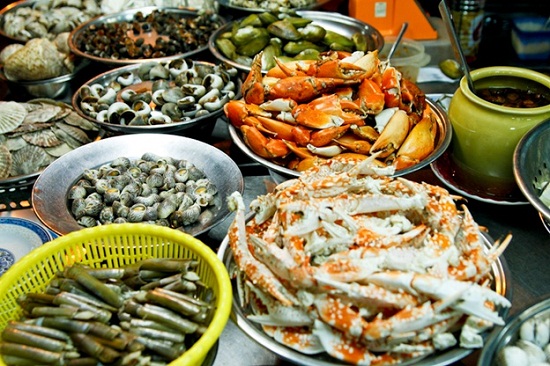
Halong, known as the world heritage city with thousands of caves and grottos, is also famous for its abundance of nutritious and delicious varieties of seafood like crab, prawn, fish, or sea-snail. Gourmets who come to Halong can hardy resist the taste of fresh seafood without the worry of gaining weight. However, there is always risk of food poisoning hidden in seafood. Below are some safety tips to avoid trouble with dining in Halong bay tours.

1. Avoid eating raw seafood in general

Raw seafood or unprocessed seafood may contain the Vibrio parahaemolyticus bacteria which is harmful for the digestive system. Moreover, the bacteria can live under high temperature (more than 80oC). Although sushi and sashimi is very tempting, try not to eat too much, esepecially from the dubious dining places. Fresh seafood in Halong Bay

2. Never eat raw crab
Tips for safe dining of seafood in Halong

Inside unprocessed Ha Long’s crab is a very dangerous parasitic bacteria named lung fluke that may mess up your respiratory system with symptoms like lead to severe cough, coughing up blood, or even cerebral paralysis. It is highly recommended that crabs have to be fully cooked for at least 20-30 minutes. Travel to Halong with Vietnam tours

3. Seafood shopping tips

Buying your own seafood in a market to bring back to your hotel and ask the chefs to cook for you is a very enjoyable experience. However, remember to choose ones which are still alive and fresh, because dead sea-animals, especially one that has shells, contain much higher level of bacteria or poisons.

4. Avoid drinking excessive beer while eating seafood

Scientists say drinking beer while eating seafood increases the probability of having gout or arthritis disease. Therefore, it is recommended that you limit your alcohol consumption when being served seafood.

5. Avoid having fruits/tea after having seafood

The reason is that the acid inside sour fruits may negatively affect the process of absorbing protein from seafood into your body. Besides, tannin from fruits may react with calcium and protein from seafood to stimulate your digestive system that leads to stomach-ache and vomiting. Same thing happens if you drink tea after a seafood meal.